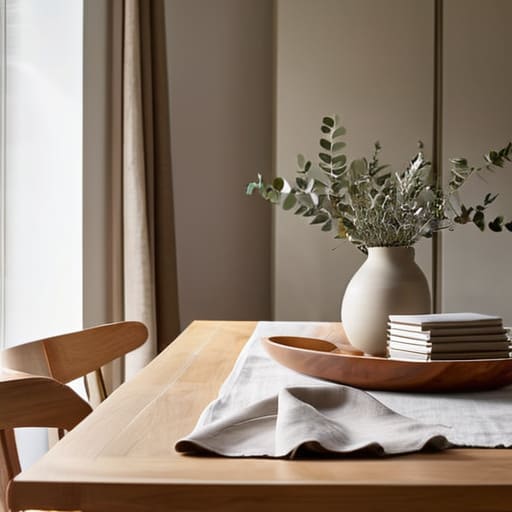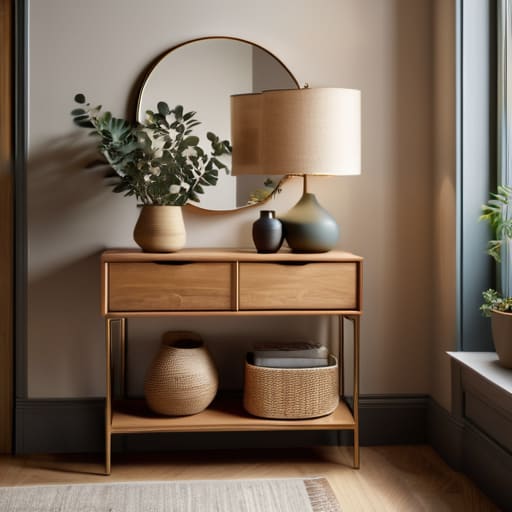
I’ll never understand why every interior design blog tries to sell you a massive, ornate console table or a custom-built mudroom as the only solution for a tiny home. It’s absolute nonsense. If you’re living in a space where every square inch is a battleground, trying to force a “statement piece” into your small apartment entryway is a one-way ticket to a cluttered, claustrophobic mess. You don’t need a showroom setup; you need actual functionality that respects the limited floor space you’re working with.
I’m not here to give you a list of expensive Pinterest trends that won’t actually work in a real-life rental. Instead, I’m going to share the gritty, battle-tested hacks I’ve used to reclaim my own space from the chaos of keys, mail, and rogue shoes. We are going to focus on smart, vertical solutions and multi-purpose finds that make your home feel intentional rather than cramped. Consider this your no-nonsense guide to making that awkward little corner work harder for you.
Table of Contents
Elevating Style With Apartment Entryway Decor Ideas
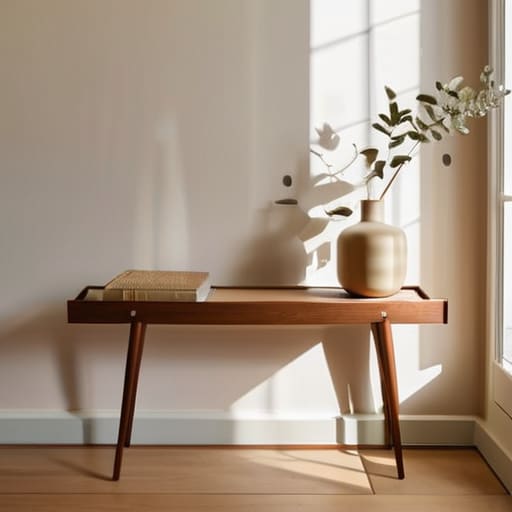
Decorating a cramped entrance doesn’t mean you have to sacrifice your aesthetic for functionality. In fact, this little zone is your best chance to set the tone for your entire home. Instead of just shoving a pile of mail on a random chair, try incorporating an entryway console table for small spaces. Look for something with slim legs or a floating design; it keeps the floor visible, which trickles down to making the whole area feel less claustrophobic. Throw a textured runner underneath and a small ceramic tray for your keys, and suddenly, you’ve turned a transition zone into a curated moment.
If you’re leaning into a cleaner look, minimalist entryway solutions are your best friend. Think about a single, striking piece of art or a sculptural mirror that reflects light rather than a cluttered gallery wall. A well-placed mirror doesn’t just look chic—it creates the illusion of depth in a tight corner. The goal is to pick items that serve a purpose while feeling intentional, ensuring your first impression isn’t just “functional,” but genuinely stylish.
Strategic Minimalism Minimalist Entryway Solutions That Work
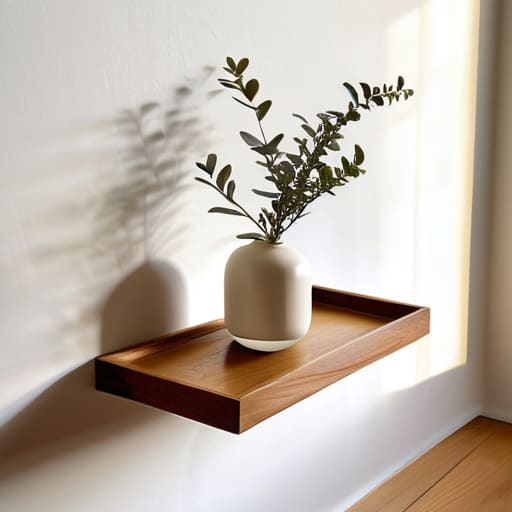
Minimalism isn’t about living in a cold, empty box; it’s about making sure every single item in your foyer actually earns its keep. When you’re working with a tight footprint, the goal is to eliminate the visual noise that makes a home feel cramped. Instead of a bulky mudroom bench, look for space saving entryway furniture like a slim floating shelf or a wall-mounted rack. These pieces keep the floor visible, which is a classic trick to make a cramped area feel significantly more open and airy.
The secret to making this look intentional rather than just “empty” lies in the curation. If you’re dealing with a tight squeeze, focus on narrow hallway organization by utilizing vertical space. A single, high-quality hook for your keys and a slim mirror can do more for your sanity than a cluttered cabinet ever could. By stripping away the excess, you turn a high-traffic transition zone into a calm, intentional breath of fresh air every time you walk through the door.
Five Tiny-Space Hacks That Actually Save Your Sanity
- Go vertical or go home. If you don’t have floor space for a bulky console table, stop trying to force it. Grab some sleek floating shelves or a wall-mounted organizer to keep your keys and mail off the ground and up where they belong.
- Use the “one-in, one-out” rule for your shoes. In a small entryway, a pile of sneakers is a death sentence for your floor plan. If you bring a new pair of boots home, one old pair has to go into a closet or the donation bin immediately.
- Mirrors are your best friend, period. A well-placed mirror doesn’t just help you do a final hair check before leaving; it bounces light around the corner and tricks your brain into thinking the hallway is twice as wide as it actually is.
- Don’t sleep on multi-functional furniture. Look for a small bench that has hidden storage underneath. It gives you a spot to sit while you struggle with your laces, but it also hides all that seasonal clutter that usually trips you up.
- Command hooks are a lifesaver, not just a temporary fix. Use them on the back of the door or a small patch of wall for your most-used bags and light jackets. It keeps the “dumping ground” effect from turning your entrance into a mountain of fabric.
The Bottom Line for Your Entryway
Stop treating your entryway like a dumping ground; even the smallest space needs a designated “landing zone” for keys and mail to keep the chaos contained.
Prioritize verticality over floor space—if you can’t go wide, go up with wall hooks, floating shelves, or slim consoles to keep your walking path clear.
Don’t sacrifice your vibe for function; use a single statement piece, like a mirror or a textured rug, to make the space feel intentional rather than cramped.
## The Entryway Mindset
“Your entryway shouldn’t feel like a cramped obstacle course; it’s the handshake of your home. Even if you only have three square feet to work with, that space deserves to feel intentional, not just like a place where your keys go to die.”
Writer
Making Your Mark at the Doorstep
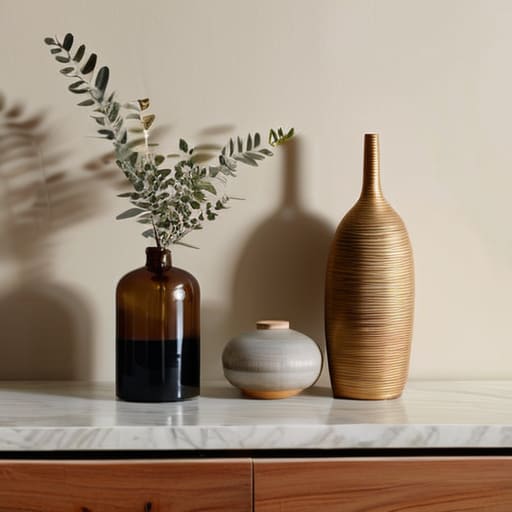
Of course, none of these design tweaks will matter if your space feels chaotic the moment you walk through the door, so I’m a huge advocate for setting the right mood immediately. I’ve found that adding a small, curated element—like a beautifully labeled tray for keys or even a dedicated spot to set down a bottle of something special—can turn a cramped hallway into a genuine transition zone. If you’re looking to elevate that sense of hospitality, I always keep some inspiration from battlewineestate on hand to help me think about how to layer textures and small luxuries into even the tightest corners. It’s all about those tiny, intentional details that make a small footprint feel like a deliberate choice rather than a compromise.
At the end of the day, transforming a cramped entryway isn’t about having a massive foyer or a custom-built mudroom; it’s about being intentional with the inches you actually have. Whether you leaned into the aesthetic charm of curated decor or embraced the “less is more” philosophy of strategic minimalism, the goal remains the same: creating a transition zone that feels purposeful rather than chaotic. By mixing smart storage hacks with pieces that actually reflect your personality, you turn a high-traffic bottleneck into a functional sanctuary that sets the tone for the rest of your home.
Don’t let a lack of square footage stop you from making a statement. Your entryway is the first thing you see when you walk through the door after a long day, and it should feel like a warm welcome rather than a chore. Remember, style isn’t something you buy in a massive showroom; it’s something you build through small, thoughtful choices. So, go ahead and grab that statement mirror or that sleek floating shelf. You aren’t just organizing a hallway—you are designing the vibe of your entire life, one square foot at a time.
Frequently Asked Questions
How do I keep my entryway organized without it looking like a cluttered storage unit?
The secret is hiding the chaos in plain sight. Instead of a massive, open shelving unit that screams “junk drawer,” go for closed storage. Think sleek, wall-mounted cabinets or a slim console with drawers to swallow up your keys, mail, and chargers. If you must use hooks, stick to a curated few. The goal is to keep the visual noise low so your entryway feels like a curated transition, not a staging area for your life.
What are some budget-friendly ways to add personality to a tiny space that feels cramped?
Look, you don’t need a massive renovation budget to stop your entryway from feeling like a sterile hallway. Focus on the “micro-moments.” Swap out a boring doormat for something with a punchy pattern, or hang a single, quirky piece of art that actually makes you smile when you walk in. Even a thrifted brass tray for your keys adds texture and soul without eating up your precious square footage.
Can I use lighting to make a narrow hallway feel less claustrophobic?
Absolutely. Lighting is actually your secret weapon for fixing that “tunnel vision” feeling. If you rely on a single, harsh overhead light, you’re just highlighting how narrow the walls are. Instead, try layering. Add some warm wall sconces to draw the eye outward, or a slim floor lamp in a corner to create depth. It’s all about breaking up those shadows and making the space feel intentional rather than cramped.